Table of Contents
- What Counts as a Military Uniform Today
- The British Army PCS MTP Uniform Explained
- Dress, Combat and Ceremonial Uniforms Compared
- How to Buy Military Surplus Clothing That Is Genuine
- Tactical Gear Maintenance and Uniform Care
- Materials, Sizing and What to Ignore When Buying
- Frequently Asked Questions
Last Updated: September 28, 2026
What Counts as a Military Uniform Today
A military uniform is the standardised dress worn by members of an armed force, designed to identify service, rank and unit while meeting the practical demands of the role. At Silvermans, we have supplied military uniform and equipment to H.M. forces for over 75 years.
Modern military uniform splits into three working families: ceremonial and parade dress, everyday service dress, and combat or field clothing. Parade dress signals regimental affiliation and service rank through insignia and cut.
The British Army PCS MTP Uniform Explained
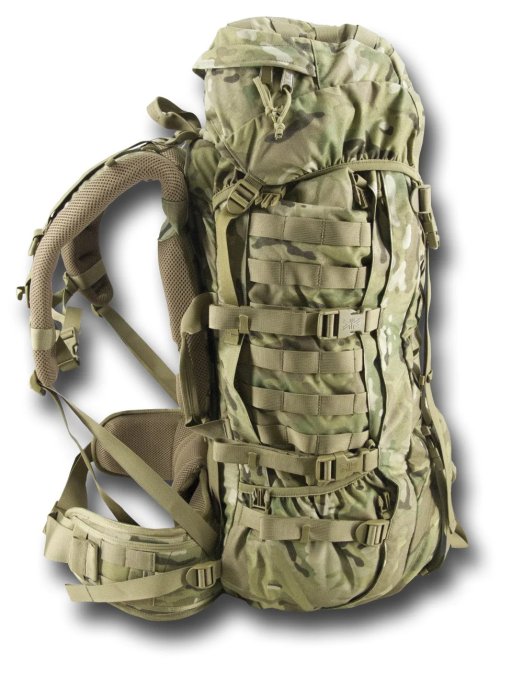
The British Army PCS MTP uniform is the Personal Clothing System worn in Multi-Terrain Pattern, and it replaced the older Combat 95 kit as standard field clothing. PCS is a layered system rather than a single garment, built around a combat shirt, tactical trousers, a field jacket and a thermal base layer.
Dress, Combat and Ceremonial Uniforms Compared
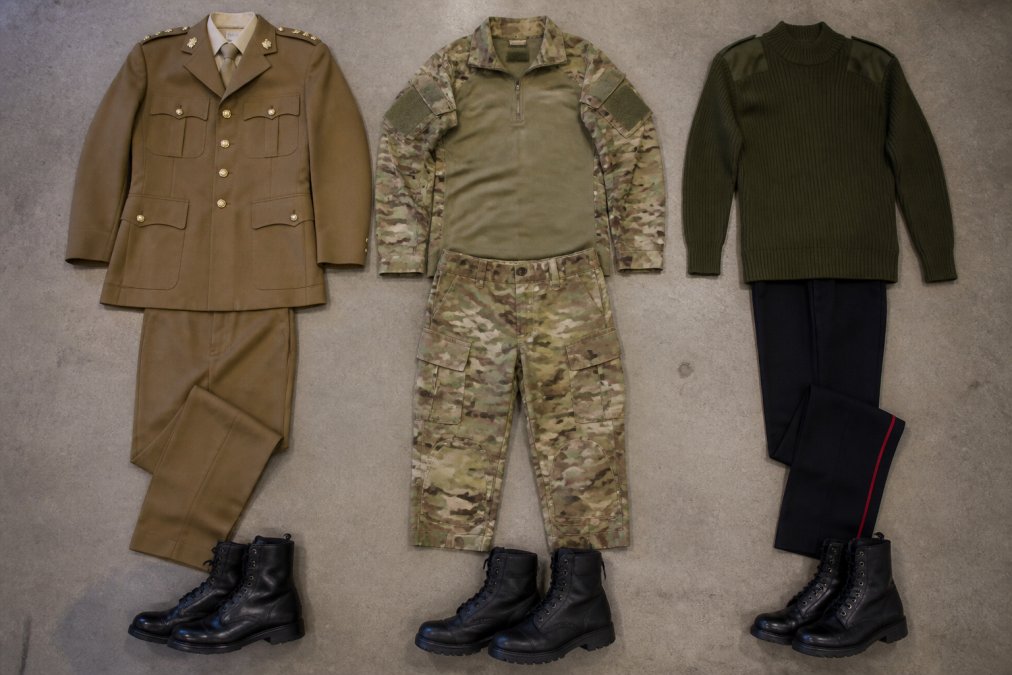
The three families of military uniform differ mainly in material, cut and protection. Parade dress uses heavier wool or wool-blend cloth for drape and crease retention. Combat clothing uses lighter synthetic blends for durability and drying speed. Barrack dress sits between the two, worn in barracks rather than the field.
Uniform Type |
Typical Material |
Main Use |
Key Features |
|---|---|---|---|
cotton canvas |
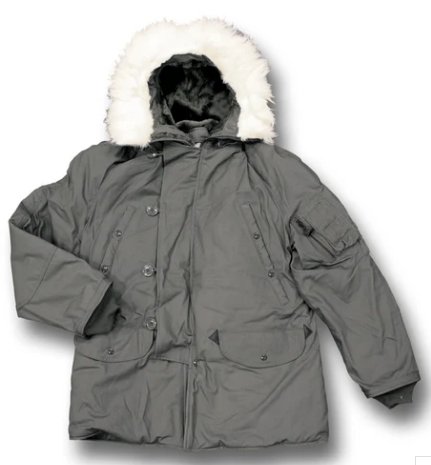
extreme cold weather |
Warmth, worn over uniform, durability |
|
Cotton / polyester blend |
Working shirt on board ship, Naval Uniform |
Blue polycotton, hard wearing, smart working shirt |
|
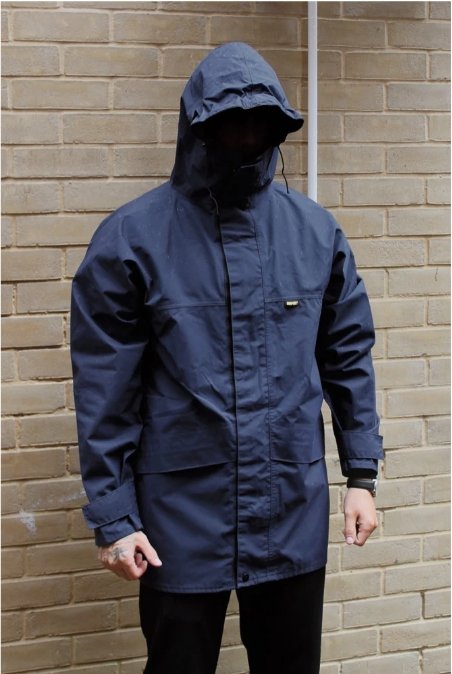
Gore-Tex |
Waterproof Gore-Tex shell over jacket |
Suitable for extreme wet weather warm or cold when worn |
How to Buy Military Surplus Clothing That Is Genuine
Genuine military surplus clothing is official issue kit that has been decommissioned and resold, not simply old clothing styled to look military. The distinction matters because grading, materials and authenticity all affect what you receive.
Where surplus actually comes from
Most genuine surplus reaches the civilian market through three routes. Routine decommissioning: when a unit re-kits, serviceable items return to the supply chain and unserviceable items are written off. Post-conflict and post-drawdown disposal, which is why certain patterns and dates cluster together. Manufacturer overrun, genuine contract garments produced to specification but never issued. Overrun is genuine kit, but not surplus in the strict sense, and reputable sellers label it as such.
Grading, in plain terms
Grading language varies between sellers, so ask what the grade means before you buy. A workable convention:
- New / unissued: never worn, may still carry storage marks or faded labels.
- Grade 1: serviceable, fully functional, minor cosmetic wear only.
- Grade 2: serviceable with visible wear, repairs or fading, but no structural failure.
- Grade 3 / spares: sold for parts, repair or reenactment, not for hard use.
Authenticity checks that actually work
- Look for NATO stock numbers, manufacturer marks and contract labels inside the garment. Genuine issue kit is traceable; replicas usually are not.
- Match the pattern and cut to a known issue item rather than trusting a generic photo. Pattern drift between production runs is normal; a pattern that never existed is not.
- Compare fabric weight and stitching against known genuine examples. Contract stitching is dense and consistent; replica stitching often is not.
- Check the fastenings. Zips, buttons and hook-and-loop tape on genuine kit are specified items, and cheap substitutions are a clear tell.
- Ask about the returns policy if the condition does not match the listing. A seller who will not accept returns on graded stock is telling you something.
A common mistake is buying on price alone and receiving re-labelled kit. Reputable sellers document grading and stand behind the condition they list. Militaria collectors should confirm whether an item is genuine vintage or a modern reproduction, since both have a place but very different values.
The angle most buyers never consider: sustainability
Surplus is one of the oldest forms of textile reuse in existence. Every genuine surplus garment bought instead of a newly manufactured equivalent is one that does not need to be produced, dyed, shipped and eventually landfilled. Military textiles are typically over-engineered relative to civilian clothing, heavier fabrics, reinforced stitching, specified fastenings, so a serviceable surplus item often outlasts a comparable new retail garment.
What to ask before you commit
- What grade is this, and what does that grade mean to you?
- Is this issued surplus, manufacturer overrun, or a commercial replica?
- Are the labels, NSN and contract marks present and legible?
- What is the returns position if the item does not match the description?
- Has the item been repaired, re-labelled or reproofed?
If a seller can answer those five questions clearly, they know the stock. If they cannot, the price is irrelevant.
Gore-Tex Tornado Jacket, blue wet weather protection →
Tactical Gear Maintenance and Uniform Care
Tactical gear maintenance comes down to washing correctly, drying properly and repairing early. Most combat clothing fails not from hard use but from wrong washing, which strips the durable water-repellent finish and breaks down the fabric coating.
Materials, Sizing and What to Ignore When Buying
Materials and sizing decide whether military uniform works for you, and both are where buyers most often go wrong. Official issue sizing uses height and chest or waist measurements in centimetres, not standard retail sizes, so always check actual measurements rather than the label alone.
The materials worth knowing
- Ripstop fabric: woven with a reinforcing grid that stops small tears spreading, common in combat shirts and tactical trousers. The grid adds weight and cost, so it appears where abrasion is expected rather than throughout a garment.
- Cotton twill: heavy, hard-wearing and comfortable in warm weather, used in older fatigue trousers. It absorbs water and dries slowly, the trade-off for its comfort and durability.
- Polyester blends: quick-drying and crease-resistant, standard in barrack dress and many modern garments. Less comfortable against skin in heat and can hold odour, which is why base layers use a different fibre entirely.
- Wool blends: used in formal wear and parade dress for drape and warmth. Wool holds a crease better than any synthetic, which is why parade dress still uses it.
- Polycotton and nylon-cotton blends: the workhorse of modern field clothing, balancing drying speed against durability and cost.
Modern textile technology in current issue kit
Current-issue clothing has moved well beyond simple fabric selection. The practical developments worth understanding:
- Durable water-repellent (DWR) finishes: applied to outer layers so rain beads and runs off rather than soaking in. DWR is a finish, not a coating, and wears off with washing and abrasion, which is why reproofing is maintenance, not repair.
- Moisture-wicking base layers: move sweat away from the skin to the next layer, where it can evaporate. They work only if the layers above are breathable, which is why layering systems are specified as a set rather than as individual garments.
- Insect-repellent treatments: applied to some tropical and deployment clothing to reduce vector-borne disease risk. These degrade with washing, and the manufacturer's care instructions exist to slow that degradation.
- Flame-resistant and anti-static treatments: used in specific roles where the risk justifies the cost and reduced comfort.
- Ergonomic patterning: articulated knees and elbows, gusseted crotches and raglan sleeves are now standard on quality field clothing. They cost more to cut and sew, and are one of the clearest differences between genuine issue kit and cheap replicas.
How sizing actually works
Official issue sizing is a two-number system: height in centimetres, then chest or waist in centimetres. A 180/104 trouser is built for someone around 180 cm tall with a 104 cm waist, not a 34-inch waist, and it will not fit like one. The height component matters because issue trousers are cut to a specific inside leg for that height band, and alterations are expected rather than optional.
What to ignore
Marketing language about "tactical" performance with no specification behind it, and any listing that will not state the material or measurements. A genuine item always tells you what it is made of and how it is sized. Claims of "military grade" without a specification, standard number or contract reference are meaningless, the phrase has no defined meaning in civilian retail.
Do surplus uniforms run true to size?
No. Official issue military uniform is sized by height and chest or waist measurement in centimetres, not standard retail sizing. Always buy to the stated measurements, and allow for adjustment where the waist is designed to be altered.
Frequently Asked Questions
What is the difference between combat and ceremonial military uniform?
Combat uniform is built for the field, using ripstop fabric, moisture-wicking layers and a camouflage pattern such as MTP for concealment. Ceremonial uniform, often called parade dress or service dress, is tailored for appearance and regimental affiliation, with items like the khaki No.2 dress trousers. Both are official issue, but they serve different roles and are maintained in different ways.
How do you identify authentic military surplus clothing?
Look for the official issue label, a NATO stock number and a visible date or contract stamp. Genuine surplus also shows consistent sizing marks and period-correct materials, such as heavy cotton twill or serge. Reproduction items, like the 1940s serge suit, are clearly sold as remakes. A specialist supplier with decades of experience supplying H.M. forces can verify authenticity before you buy.
What materials are used in modern military uniform construction?
Modern combat shirts and tactical trousers typically use ripstop fabric, often a cotton and nylon blend, with moisture-wicking panels for heat management. Field jackets add wind and water resistance. Older dress items, such as the barrack dress trousers, use polyester or wool. These choices affect durability, drying time and how you should carry out tactical gear maintenance at home.
Can I buy military surplus clothing for motorcycle riding or outdoor use?
Yes. Many riders and outdoor adventurers use surplus and tactical apparel because it is durable and weather-resistant. Items such as the X Over Belt Trousers, made from heavy duty cotton twill with a loose fit, suit warm-weather wear. For motorcycle use, check that the item offers the protection you need, as not all surplus clothing is designed as protective riding gear.